
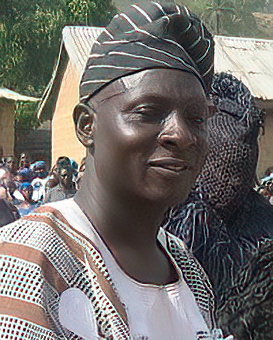
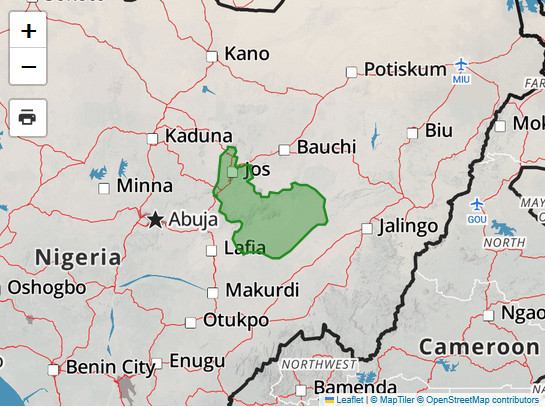
The Kulere people are a small ethnic group of central Nigeria, mainly located in the northern part of Plateau State, especially around the Shendam–Bokkos–Mangu highland region near the Jos Plateau.
They are distinct from many northeastern groups of Borno, although the names “Kulere,” “Kaler,” and “Kaleri” sometimes create confusion in older records.
The Kulere are generally classified as:
Their language is called Kulere (sometimes Kaler/Kuluri in older texts). It belongs to the Afro-Asiatic language family, Chadic branch.
The Kulere language is considered endangered because many younger speakers increasingly use Hausa, English, and neighboring Plateau languages.
Kulere → mainly associated with Plateau State (Central Nigeria)
Kaleri → usually associated with northeastern Nigeria, especially Borno State
Some old linguistic records blur the names, but modern ethnographic usage generally treats them as separate communities with different geographic origins.
Main Kulere settlements are found in Plateau State especially around Bokkos area, Mangu area and mountainous Plateau communities.
Like many Plateau peoples, the Kulere traditionally lived in hill regions partly for security during periods of:
The Jos Plateau became a refuge zone for many smaller ethnic minorities seeking protection and autonomy.
Kulere oral traditions describe migrations and settlement around the Plateau highlands over many generations.
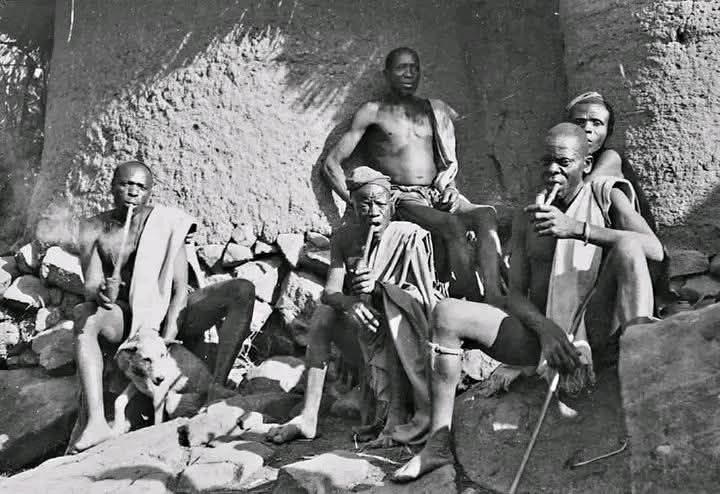
Kulere society historically centered on:
Political organization was relatively decentralized:
Traditional occupations include farming, livestock keeping, hunting (historically), local trade.
Major crops are millet, sorghum, maize, yam and beans.
The Plateau climate also supports potatoes, vegetables, fruit cultivation.
Historically, the Kulere practiced indigenous religion involving ancestor reverence, sacred shrines, fertility rituals, spirit beliefs connected to land and nature.
Today, most Kulere people are Christian, with smaller Muslim populations, while some traditional customs continue culturally.
Important cultural features include ceremonial dances, drumming, harvest festivals, oral storytelling, praise singing.
Marriage customs traditionally involved bridewealth, clan negotiations and extended family participation.
Traditional architecture often used mud compounds, thatched roofing and circular granaries.
The Kulere have long interacted with neighboring Plateau ethnic groups such as:
Trade, intermarriage, and multilingualism are common across Plateau communities.
Sources: